LOCAL: 703-504-2000
FAX: 703-550-3755
EMAIL: contact@bluedoorpainters.com

Color Combo Special #2: Monochromatic Schemes
Monochromatic schemes are probably the easiest way to “get it right” when it comes to color combinations. Practical for staging houses and other times when a tried-and-true method to create a simple, pleasing decor is what you want, monochromatic combinations follow a simple formula that gives you nearly guaranteed success.
That formula? Just pick one color. It could be your favorite color, the color that creates the mood you’re trying to inspire, or the color that will appeal to the widest possible audience. For staging purposes, it is usually good to go with a light-toned, space-creating neutral like white, cream, or beige. For personal decoration purposes, think of a color that you will really enjoy over a long span of time, and in many different moods.
Once you’ve picked your color, you get to do the fun part. Without varying the core color, or hue, in color classification lingo, create several different shades of that color by varying the value (lightness or darkness), and the chroma (brightness or dullness). You can start with a buttery cream, for example, and mix in black to create a darker umber color for one of the accent colors, and then turn up the intensity to create a bold, warm mustard yellow for another. As long as you stay within the same hue (or an extremely tight range), you can play with the value and the chroma almost indefinitely, and you will still end up with a pleasing color combination. The variation created by the shading will give your composition texture, but your colors are very unlikely to ever clash.
And there is actually a surprising range of effects you can create using a monochromatic scheme. For example, a blue-based scheme that starts with a main color of bright cornflower blue, and accents it with a strong navy and a shocking bright-sky color, is going to make a much bolder statement than a dull blue-gray that is accented with a paler blue-gray and some slate-colored trim, even though in both cases you have essentially an all-blue room.
Remember to take into account the other objects in your composition that will provide colors that you might not have predicted: your rugs, furniture, and other decorations in your interior, or your bricks, deck, patio, roof, and landscaping in your exterior. If it becomes too difficult to keep everything exactly the same color, you might want to look into analogous color schemes as a method of providing more variety, which will be discussed in the next installment. Stay tuned!
Color Combo Special #1: Monotonal Schemes
Sometimes, extreme conservatism can turn into daring.
As a general rule of thumb for design, the more colors you use in a decoration scheme, the bolder or “louder” that design becomes. And the bolder it gets, the more clever you need to be to keep all the wild colors you choose from clashing with each other. Also, the more “personal” the scheme becomes – meaning that its effect is unique, impressive, and creative, but may appeal to a smaller set of viewers than a more conservative collection of colors (for this reason, bold color schemes are not usually recommended for staging houses). For those who want to take the easy road with their design scheme, however, fewer – and more neutral – colors are what the doctor usually orders.
Usually. True monotonal color schemes are the exception that proves the rule. A “monotonal” color scheme is one in which only one color is used. Literally, only one color. For interiors, that would be the same color for the walls, ceilings, furniture, rug, flooring material, etc. For exteriors, that would be the same color for the siding, brick, doors, window trim, chimneys, etc. And where the use of just a few neutral colors with little variation around the color wheel can create a mellow, conservative composition, the use of literally one shade of one color on everything looks daring and wild – and most of the time, rather overwhelming.
That’s because you will almost never find a scene in nature composed of only one color. When you look closely at a stream bed full of seemingly “gray” pebbles, you’ll find that upon closer inspection, the rocks are a veritable crayon box of different hues; lights and darks, reds and blues, stripes and speckles. To come upon a scene where there is only one color, no matter how closely you inspect the details, is to come upon a scene that shows off humanity’s control over our environment in a rather startling manner.
Such aggressive monotonality has been a hallmark of certain edgy modern styles. An all-white living room or an all-red dining room creates a living space that really attracts a lot of notice, and garners a certain amount of respect in some social circles for the bold statement that it makes. With only one color, the variety of textures and light sources in a space get thrown into high relief, creating a fascinating visual effect. In some cases, a monotonal color scheme can be made even more vivid by breaking the strict adherence to one color only by adding a bright, splashy accent color.
However, for many of us, a monotonal color scheme does not provide for a very relaxing living space. The same field of uniform color that is exciting and edgy in a club or restaurant can quickly become grating and irritating when you have to look at it day in and day out. When you start at the far edge of uniformity, allowing some variety into your color scheme will actually make it more relaxing, less conspicuous, and more conservative. Taking that first step into variety brings you out of the monotonal color scheme and into the monochromatic scheme, which we will discuss in our next installment in this series. Stay tuned . . .
Top Five Reasons Why Paint Fails

Hasy application of a second coat of paint before the first coat is fully dry is a major cause of alligatoring.
Nothing is more frustrating than a failed paint job – especially if it fails right after it is applied. Luckily, the most common reasons for premature paint failure are well-known, and can be prevented. Here, Blue Door Painters lists the top five reasons for paint failure, and what can be done to prevent them.
1. Inadequate preparation. A surface needs to be thoroughly stripped of loose material, scraped, sanded, caulked, cleaned, and primed prior to application of a new coat of paint, or that paint does not have good odds of staying successfully adhered to the surface. Blue Door Painters follows a strict regimen of surface preparation before all of our jobs in order to prevent this form of failure.
2. Bad weather. The weather cannot be too cold or too wet while paint is drying and curing, or the film will not form adequately. For this reason, Blue Door Painters pays close attention to the weather when scheduling exterior jobs. Ideally, conditions should be warm and dry for 24 hours following a new paint job.
3. Cheap paint. While you don’t necessarily need to buy the premiere designer paints, the extremely cheap paints contain a surplus of useless filler components, and are not built to last. Blue Door Painters recommends purchasing a good, solid, tried-and-true brand of paint like Duron or Sherwin-Williams.
4. Improper priming. While some brands of paint claim that their products can be used without a primer, in our experience painting most surfaces without a primer is a recipe for coating failure. A prime coat is specially designed to adhere to the substrate – and should be selected to adhere to the specific substrate you are dealing with. It takes a different kind of paint to adhere well to metal, wood, drywall, old paint, masonry, etc. – and this is the specific purpose of your primer. In Blue Door Painters opinion, this is not a step that shoudl be skipped.
5. Hasty Application. Failing to wait for full drying and curing between coats, laziness in prepping the surface, and hasty application of paint leaving gaps in the continuous film are all leading causes of paint failure. Painting a wall may seem simple, but it really does need to be done right. Which is why Blue Door Painters staff are all held to the highest possible standards of craftsmanship, so that we produce a paint job that we can stand behind.
Wallpapering for Children: Fun With Murals
Wallpaper means patterns. That’s what initially made wallpaper attractive as a wall covering; with wallpaper, you can get a factory-prepared pattern repeating perfectly across a large surface, without having to worry about the tedium of trying to stencil a repeating pattern by hand.
However, in modern days, the medium of wallpaper has been used to achieve a different effect; that of a painted mural. Particularly for children’s rooms, wallpaper murals are an attractive, and easy, alternative to artwork. Since they are applied directly to the wall, they give the room the look of actually being in whatever fun, exotic location the mural depicts – the zoo, the jungle, under the sea, in Disneyland. Recent design styles have experimented with wallpaper murals of all different sizes, from smaller murals that can be used as accents, to larger murals intended to cover entire walls.
Wallpaper murals aren’t just for kids, either; in some modern homes, daring designers are experimenting with sophisticated designs and hip artwork in adult living rooms, bathrooms, and bedrooms.
Prep: The Bedrock of Any Paint Job
A paint job is only as good as the preparation that goes into it.
If there were a stone onto which the ten commandments of painting were carved, that one would be right at the top, all in capital letters.
In order for a paint job to work correctly, it has to stick to the surface it is meant to coat. That paint does stick to the surface is something that most people take for granted, but it is actually the result of years of clever engineering. Paint is a liquid, which, when spread across a vertical surface (or even applied to a ceiling, directly in opposition to gravity), rather than running down and collecting on the floor, stays adhered in a thin film where it is applied, forming a solid coating. Only a mixture with just the right viscosity and chemical composition can manage this feat that we take so much for granted.
And that is when the surface to which it is being applied is a continuous solid. What happens when you put a new coat of paint on top of a surface covered in loose material – dirt, grease, chipping or peeling remnants of an old paint or wallpapering job? Well, the new paint attempts to do what it was engineered to do – form a strong, continuous film. The problem is, when you form a continuous film over a discontinuous surface, tension gets added to the loose particles, and they tend to loosen further, pulling away from the rest of the surface. The film of paint covering therefore starts to get torn in different directions and pull away from its close adhesion to the rest of the surface, causing all sorts of problems. Take a wall with chipping paint, for example. If you paint over it, as the new paint dries, it contracts and adheres to the whole surface, including the flakes of loose paint. By contracting, it pulls some of those loose flakes off the wall. This may form cracks in the film between the paint adhered to the loose chip and the paint adhered to the rest of the wall. It also creates a void behind the film, in which moisture and mildew can collect, leading to the steady erosion of the film.
What is the solution to this problem? Extremely careful preparation of the surface before a new paint job is administered. Blue Door Painters follows a strict preparation regimen of stripping, sanding, scraping, caulking, replacing failing drywall and plaster, and thorough cleaning before administering any new coatings to a substrate. That way, we ensure that we have put up a coating that was truly prepared to last.
Spring Cleaning
Repainting Makes Your Walls Look Far Cleaner – Advice on Spring Cleaning from Washington, DC area painting contractor
It’s easy to look right past your old paint job without seeing it, you’re so used to the sight of the familiar grease stains, fingerprints, pen marks, and accumulated dust. It isn’t until you see your walls with a fresh paint job that you can really measure how dirty your walls have become over the years. Which is why a fresh paint job should be the centerpiece of your spring cleaning efforts.
On interiors, filth tends to collect on trim, in kitchens and bathrooms, and in high-traffic areas like hallways and stairwells. Even if the bulk of the surface area on your walls is in pretty good shape, buying a single gallon of paint in a lively color and freshening up the trim around doors, windows, and molding can make a huge difference in how fresh your house looks, not to mention giving you a good excuse to go for a color change in preparation for spring.
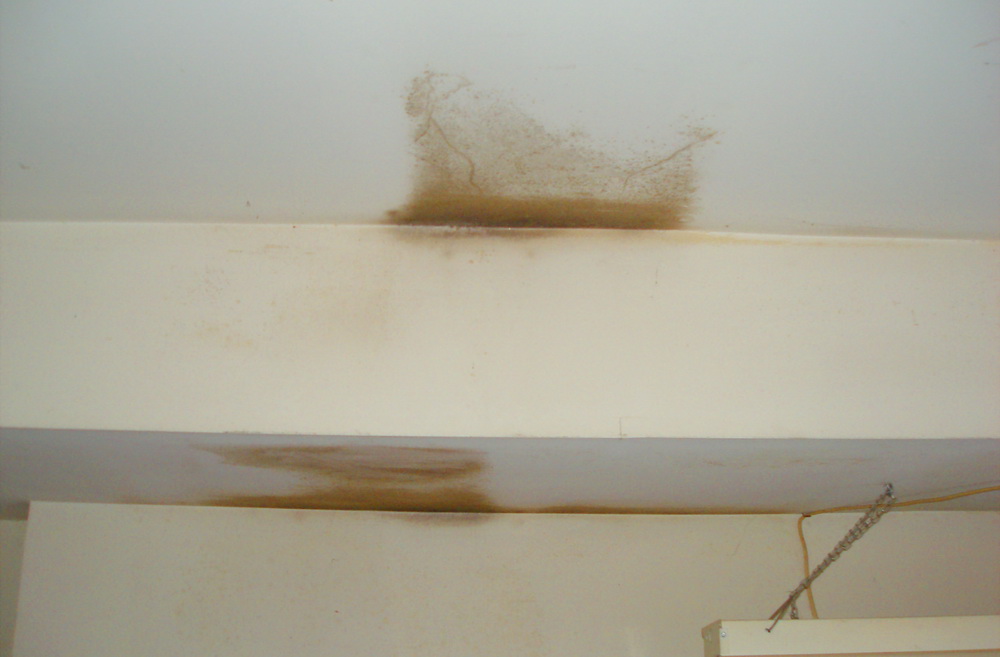
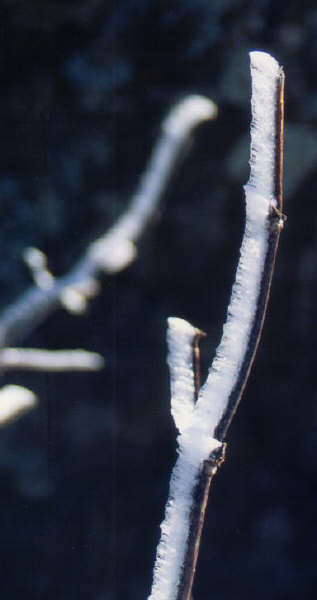
For the exterior, once the weather clears enough to get work done, you want to assess the damage done to your siding, masonry, decking, patios, and fences during the harsh winter months. Decks might have weathered from holding all of the winter’s snow, while siding and masonry might have sustained water damage. It is also worth inspecting your gutters, the rims of your roof, and the interior of your home just under the eaves for evidence of water damage resulting from ice dams. Once you have a solid inventory of the damage, getting your exterior repainted, and your deck or fencing stained and sealed, prior to the onset of the spring rains and prior to the full flowering of your spring landscaping, is a good way to beautify your exterior in anticipation of the spring.
Taking the time to repaint, even if it’s just a small area of your home, can really go a long way toward making your space look refreshed, and make you feel renewed and ready for spring.
The Three – Month Plan For Selling Your Home
Get Started in March, Sell in June
Staging a home for sale can be a complicated process. Since June is the peak month for home sales (both the weather and the typical schedule of employment make it a desirable time to buy, sell, and move), it is a good idea to start getting ready in early March. That way, you can move through all the steps necessary to get your home ready in a leisurely manner, and be ready to hit the market with a bang come the hot season.
In March:
1. Take a thorough, searching inventory of your home, listing all of the ways it could be improved, and how much they are likely to cost versus how much they are likely to gain you in your sales price. Now is a good time to enlist a real estate agent or other consultant to help you with this process. You want to take note of anything that is:
- noticeably damaged (chipping or peeling paint, substrate damage, water damage, broken or run-down appliances, chipping tile or flagstone)
- noticeably stained, dirty, or run-down (impurity leaching, paint stained with grease or smoke, old and faded paint or stain)
- idiosyncratic, not universally appealing (strange color combinations)
Remember, when you sell a house, you want it to look strong, clean, and impersonal. That means that the bright mauve and blue that you have always loved in the downstairs bathroom, even though it is in decent shape, might be something you want to consider changing before you offer your home on the market, because unusual decorating schemes can make it hard for other people to picture themselves in your home.
2. Make a plan. Come up with a schedule of the work you want to have done. Don’t forget that de-cluttering your personal items, landscaping, and thorough cleaning are essential steps in the process, in addition to any painting, refinishing, and remodeling.
3. Schedule the work. It is good to hire your contractor as soon as possible, so that you can ensure your project fits amongst their busy spring schedule.
In April:
1. De – clutter. Take the time to get all of your personal objects organized and managed so that it is convenient to work in your home, and so that when the time comes you can present a decluttered open house. Clutter is one of the biggest deterrents to a home being successfully sold.
2. Get all intensive work done. Anything that involves reframing, replacing fixtures, plumbing, drywall replacement, etc., should begin in April.
In May:
1. Get the repainting done. You want to get it done before any furniture is put back or fixtures returned to their original locations, if you have had them moved for any reason.
2. Tend to your landscaping. Landscaping, as well as exterior painting, greatly enhances curb appeal. Nw is the time to make sure that your landscaping makes your home shine! Ask your realtor for simple tips that make a huge difference.
3. Decoration! Once the paint dries, it is time to focus on gently decorating your interior and exterior to make it universally appealing. Remember, you are trying to appeal to the widest collection of people, not specifically to yourself.
In June:
Hit the market! Now you’re ready!
Gutter Cleaning 101
Most homeowners think about cleaning their gutters primarily in the fall. While it certainly makes sense to focus on the fallen leaves and other debris that collect around that time of year, gutters can also use a little TLC in the Spring. Whatever you didn’t get back in the fall, combined with the runoff from snowstorms and other winter weather events, has created a nice little bed of loam nestled inside your gutter. As the early spring seeds start to fall, small plants will start to grow in your gutters, creating a little jungle right along the edge of your roof. While the effect can be kind of charming, the roots from these plants are reaching into cracks in your gutters and roofing, getting ready to erode the metal and loosen shingles, weakening your roof’s drainage system just before it has to hold up to the brunt of the spring rains.
Cleaning gutters isn’t difficult, but it can be tedious and, since ladders are involved, slightly dangerous. Blue Door Painters can be hired for gutter cleaning if you decide that the task isn’t something you want to bother with, or you can follow our simple tips for safe, effective care and maintenance of these vulnerable areas.
- Only reach as far as you can without tipping your ladder. Climb all the way down and move your ladder between each section of roof, so that you are not straining; unbalancing the ladder dangerous.
- Wear gloves at all times. Mold, mildew, and bacteria (not to mention mosquitos and other insects) can easily breed in the perpetually moist environment of a clogged gutter. Keeping your hands protected will make you both safer and more efficient.
- Bring any tools you might want on a hook on your belt. While on a ladder, it is good to keep your hands free. So if there are any small tools you might want to use (like a scoop, or even a bag to put the muck in), bring them attached to you belt, so you can use both hands while going up and down the ladder
- Consider using power tools. While you have to use extra care in high spaces, tools like a power blower or pressure washer can make the job go much more quickly.
- Clean your gutters before getting other work done. If you are repainting, staining, or doing any other work on the exterior of your home near or below the roof, it is a good idea to get your gutters cleaned as part of the preparation process. That way, nothing will leach out of the gutters to impact your new paint job, and you will not have to worry about paint failure due to improper drainage during the wet spring months.
Getting Ready For Spring: Top Five Things To Do
Spring is just around the corner, and you could not be more ready. You know that the day is approaching (if it hasn’t already come) when you will walk out your door and be greeted by the sight of little purple crocuses peeking up from under the frost. When that day comes, it is time to contemplate opening your doors and getting ready for the great cleaning and airing out that always comes with the warming of the seasons. It is also the time to start thinking seriously about redecorating, since with the onset of the warm weather the procedures of redecorating will become more convenient. It is good to plan your projects early, since you won’t be alone in bringing your focus toward home improvement – as an experienced painting and refinishing contractor in the Washington, DC area, take it from us that spring is a popular season for redecorating. Here are five tips for how you can get ready for the great spring rush on redecorating.
1. Plan your project early. Late February is the perfect time to get a contract, because you get your project in just before the Spring rush. If you start early in picking your colors and deciding what kind of paint you want, then you can make the execution of your project maximally efficient.
2. Get rid of clutter in the areas that you want to improve. If you have been putting off a trip to the dump or recycling facility, now is the time to make that happen. A cluttered home is hard to work with, both in terms of visioning what you might want for the space, and in terms of actually executing any work you might want to get done. This goes for exterior projects as well; while it may be too cold to paint for another few weeks, if you get rid of your unwanted junk now, you can focus on the next steps of the project the second the weather allows.
3. Do a self-inspection. Go through your home, interior and exterior, and search for signs of any paint or other coating failure. Cracked and peeling paint, mold and mildew, water damage, chalking or impurity leaching, damage to the substrate; make a full list of all the blows your home has taken over the course of the difficult winter, so that you have a comprehensive picture of the work you want done when it come stime to engage a contractor.
4. Envision a Creative Exterior. Spring is an inspiring time for decoration, since the natural world is becoming more full of light and colors. Especially for exterior projects, it can be fun to plan landscaping and exterior redecorating projects so that they will come together to create an enchanting outdoor environment right around late April/early May, when you start to really start yearning for an outdoor cookout. Just keep in mind that your outdoor landscaping will be more vulnerable while your exterior is being worked on, so you might want to consider planting after painting.
5. Watch the weather. While Spring is a warmer time of year than winter, it can also be a wetter time of year. Water damage can affect both interiors and exteriors, as well as hampering the progress of exterior projects. Scheduling your remodeling project early, before the rains set in in earnest, can be a good way to stop potential damage in its tracks – and it can also ensure that your work gets done during what can be an extremely volatile season.